It's almost that time in the year to confirm your payroll early before the holidays in December. When employees in the UK take their days off, it's important to know the impact, and to also encourage more leave days in some cases.
Holiday Pay in simple terms, is the paid time off work, for a day not worked or sometimes as a premium pay (time-and-a-half or double time) for working on a holiday. Each job contract must be written with Holiday Pay in mind. There are statutory rules in place to protect both the employee and employer, and if this isn't obeyed, there may be legal battles that not only cost money but time as well.
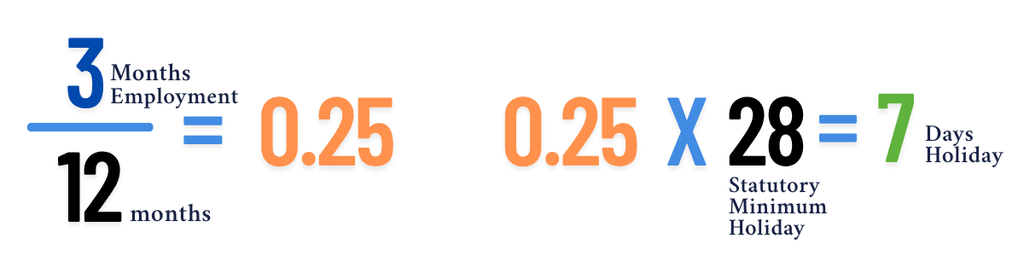
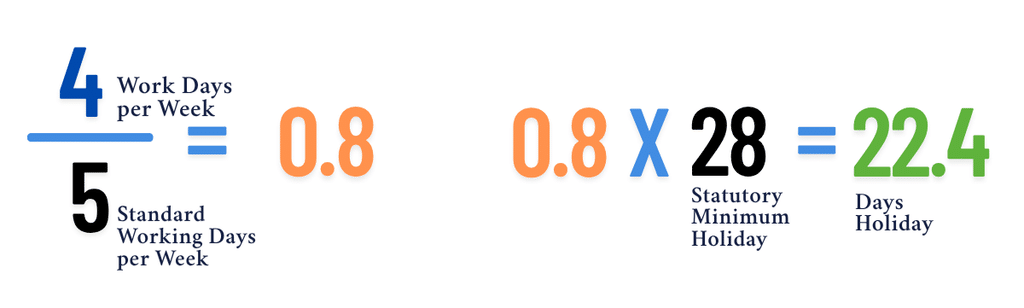
Employees are entitled to 28 days paid holiday. As management accountants providing payroll services to a number of local business we are often asked exactly what this mean and how it work in practice.
The first point to make is that this rule is all about ensuring that your employees all have time off away from work, so that they can have a break and a rest. And they must be paid their normal wage whilst they are off work. As this rule is about resting, it is not an option for employees to forego their holidays and have the extra holiday pay instead. Even if this is what both employer and employee would prefer. They must take the breaks and they must be paid for them.
The second point is the meaning of 28 days holiday pay, as there has been confusion over this in the past.
It means precisely 28 days holiday across the year and that includes Bank Holidays. In most years, in England, there are 8 Bank Holidays which employees may or may not be expected to work. For the purposes of ensuring all employees have the correct holiday entitlement and holiday pay, it is irrelevant if the holiday is a bank holiday or not.
An individual employer might choose to offer their employees more holidays as part of their remuneration, but the total of 28 days is the minimum that they cannot go below.
There can be many variations within employment contracts of what holiday is given by each employer.
Maximum number of holidays to be taken at any one time, so that each employee is not away from work consecutively for a long time.
Within these rules, there can be numerous variations around the practicalities of holiday pay which should be defined within employment contracts.
The holiday year – companies can choose when their holiday year starts and finishes. It may work on the calendar year (Jan – Dec), the fiscal year (Apr – Mar), their financial year (varies with different companies) or any other 12 month period that they choose
The number of days holiday offered – this has to be a minimum of 28 days, but an employer may offer more depending on the contract.
Restrictions on when holidays can be taken. Employers may require holidays to be taken at set times, eg Bank Holidays, during company shut downs, or teachers taking leave in School Holidays.
There's always a panic in the air when payroll changes happen without the owner knowing. A small business owner is too busy to be constantly up to date with new laws about tax or payroll most of the time. That's where getting an expert to do it for you, can save so much time and reduce risk. Most owners outsource their payroll to a licensed expert, like JR Management Accountancy, as it's sensitive information and needs to be processed properly.
How it works, is you give the briefing salaries to your payroll officer including changes in pay, student loans and employee details. Every month, the payroll must be checked and the accountant needs to be notified for any changes before the pay date. It takes time to send NEST pensions and crucial information to the government, so allow time to do checks and look closely before confirming.
Suddenly, hours of payroll can dwindle down to only half an hour conversation with your accountant. Don't delay and take the stress away. Speak to a trusted and licensed management accountant, using info@jrma.co.uk or call 01905 796512.